Plan Your Septic Service Today
Hire a Detailed Septic Inspector in Mocksville, NC
Work with a septic inspector who evaluates system condition, checks components, and identifies issues early. We provide clear findings to help guide decisions for maintenance, repairs, or property transactions.
Inspections That Reveal System Condition Clearly
Septic systems can develop issues that are not always visible on the surface. Without proper inspection, small problems such as worn components, leaks, or drainage concerns can go unnoticed. These hidden issues may worsen over time if they are not identified early.
When problems are missed, they can lead to unexpected repairs, system failure, or complications during property transactions. Buyers and property owners may face uncertainty when system condition is unclear, especially when there is no documented inspection.
Working with a septic inspector helps bring clarity to the condition of your system. We examine key components, review system performance, and provide a clear understanding of what is functioning properly and what may need attention. Inspections are useful for routine checks, real estate transactions, or whenever there is a concern about system performance. Having accurate information allows you to plan next steps with confidence.
Inspection Process That Identifies Key Issues
A septic inspector evaluates the condition of your system by reviewing each component and identifying areas that may need attention. Inspections are not limited to visible parts of the system. They also include evaluating how the system is functioning as a whole, which helps detect issues that may not be immediately obvious.
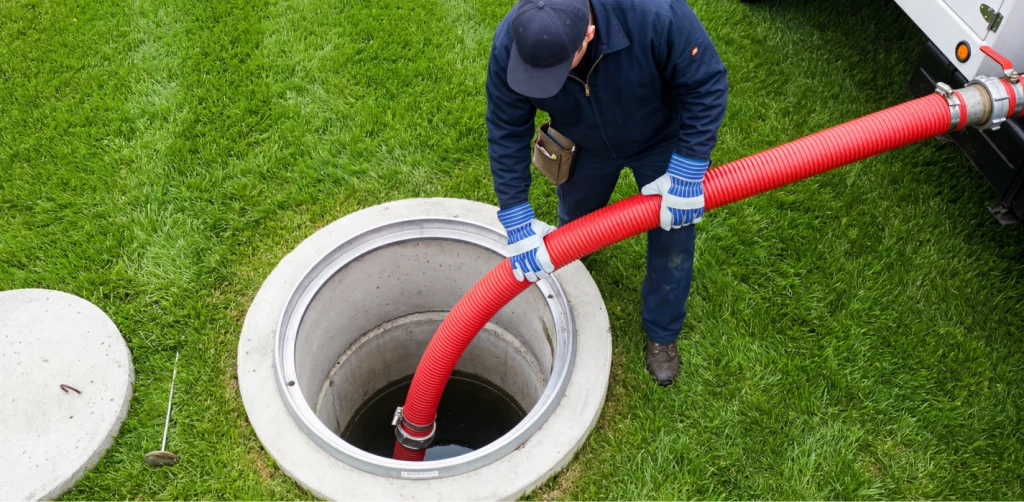
The inspection process begins with a review of the septic tank and surrounding components. We check for signs of wear, damage, or improper operation. This includes examining tank condition, checking for leaks, and reviewing how wastewater is moving through the system. The goal is to identify any irregularities that could affect system performance.
Our inspection process includes:
- System Evaluation: We assess the overall condition of the septic system to determine how well it is functioning and identify any performance concerns.
- Tank Inspection: We check the septic tank for structural condition, sludge levels, and signs of wear that may impact operation.
- Drain Field Review: We examine the drain field for signs of saturation, pooling water, or reduced absorption capacity.
- Component Testing: We review key parts such as baffles, filters, and connections to ensure they are functioning properly.
- Inspection Report: We provide clear findings that outline system condition and highlight any areas that may require attention.
This process helps property owners understand what is happening below the surface. Whether the inspection is part of routine maintenance or a property sale, having a clear evaluation allows for informed decision-making.
Understand Your System Before Issues Grow
Regular inspections provide insight into the condition of a septic system before problems become more serious. Systems that are not inspected regularly may develop issues that remain unnoticed until they begin to affect daily use. By that point, repairs may be more extensive and disruptive.
Working with a septic inspector allows you to stay ahead of these concerns. Inspections help identify wear, leaks, or performance issues that can be addressed early. This approach supports better system management and reduces uncertainty about how the system is functioning.
Inspections are also important during property transactions. Buyers benefit from knowing the condition of the system before purchasing, while sellers can provide documentation that shows system status. This helps avoid unexpected complications during the transaction process.
We work with both residential and commercial properties to provide clear and accurate inspections. Whether you need a routine check or an evaluation before a sale, we focus on delivering information that helps guide your next steps. In Mocksville, NC, working with a septic inspector ensures your system is properly evaluated and understood before issues have a chance to grow.
Frequently Asked Questions About Septic Inspections
-
A septic inspector evaluates the tank, drain field, and system components. This includes checking for leaks, measuring sludge levels, and reviewing overall system performance.
-
Inspections are recommended during property purchases, routine system checks, or when there are signs of system issues such as slow drainage or odors.
-
The time required depends on system size and condition, but most inspections can be completed within a few hours.
-
Yes, inspections help identify issues early, allowing them to be addressed before they develop into larger problems.
-
Inspections provide buyers and sellers with a clear understanding of system condition, helping avoid unexpected issues after a sale.
Schedule Your Septic Inspection Today
Get a clear understanding of your septic system condition with a detailed inspection. Identify concerns early and plan next steps with accurate information.